
Development vs Operating Expenditure: What’s the Difference?
Understand how Malaysia divides spending between infrastructure projects and day-to-day government operations.

Why This Distinction Matters
Every government budget sits on a fundamental split: money spent building things versus money spent running things. In Malaysia’s federal budget, this division shapes everything from highway construction timelines to teacher salaries. It’s not just accounting — it’s how economists assess whether a government’s investing in future growth or just keeping the lights on.
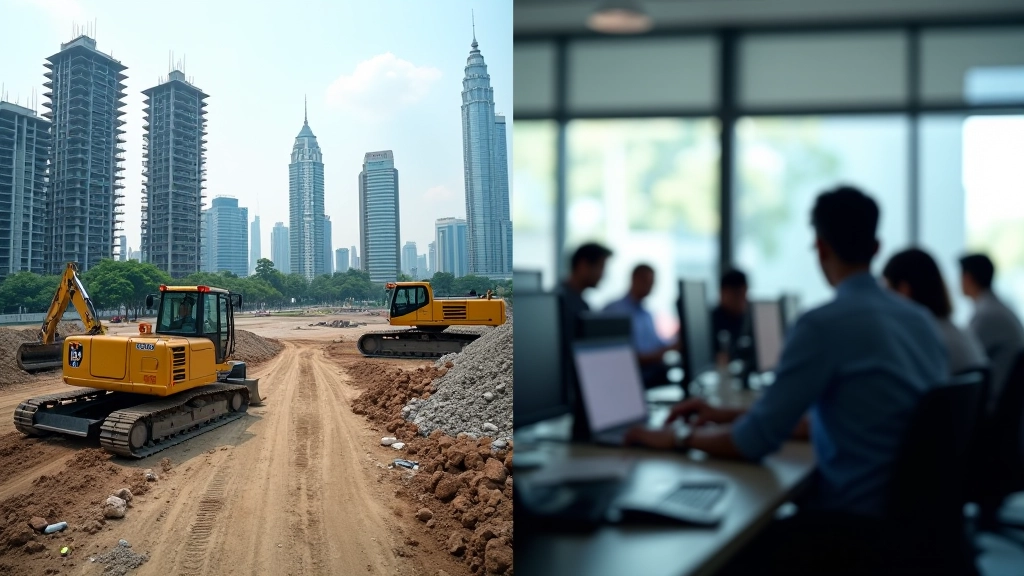
Development expenditure (also called capital spending) covers long-term investments. We’re talking highways, hospitals, schools, and power plants. Operating expenditure handles daily costs — wages, utilities, maintenance, social programs. When you see “RM 150 billion allocated,” that number usually splits between these two categories. Understanding the difference helps you read budget announcements with real comprehension.

Development Expenditure
Long-term capital investments in infrastructure and assets. Creates physical structures that benefit the economy over many years — bridges don’t generate returns in one fiscal year. Examples: highways, airports, schools, hospitals, dams, power generation facilities.
Operating Expenditure
Recurring costs needed to keep government running day-to-day. These expenses happen annually and don’t create lasting assets. Examples: civil servant salaries, electricity bills, office supplies, maintenance of existing facilities, social welfare programs, healthcare services.

How This Affects the Economy
The balance between development and operating spending tells you a lot about government priorities. A budget heavy on development spending suggests the government’s focused on economic growth — building new capacity. Heavy operating spending can mean maintaining current services or increasing wages and benefits. Neither’s automatically “good” or “bad” — it depends on what the economy actually needs.
Malaysia’s split varies year to year. In recent years, the government’s aimed for roughly 40-45% development and 55-60% operating spending. That means most of the federal budget goes to keeping things running, not building new things. This ratio matters because:
- Development spending creates jobs during construction but requires debt or revenue for upfront costs
- Operating spending affects immediate economic activity — salary spending reaches workers directly
- High development spending signals infrastructure ambition but requires maintenance later
- The ratio affects debt-to-GDP and fiscal sustainability
Inside Development Spending
Development expenditure breaks down into specific categories. Transportation typically gets the largest share — highways, rail networks, ports. You’ll also see major allocations for education infrastructure (school buildings, university facilities), healthcare infrastructure (hospitals, clinics), and utility projects (water systems, power plants).
What’s interesting: development projects take years to complete. A highway project might span 3-5 years from planning through opening. So when you see “RM 20 billion allocated to development,” that’s often spread across multiple years. Government doesn’t spend all of it immediately.
Key Point: Development projects create multiplier effects. Building a highway needs materials, workers, and equipment — money flows through the economy. But it also creates future economic capacity, so it’s viewed as investment, not consumption.


Breaking Down Operating Costs
Operating expenditure’s dominated by one thing: salaries. Civil service wages typically consume 30-40% of operating spending. That includes teachers, nurses, police, administrators — the entire workforce that keeps government functioning. You can’t cut this without affecting services immediately.
The rest covers essentials. Utilities (electricity, water, fuel) for government buildings. Maintenance of existing roads, schools, hospitals. Supplies and materials for daily operations. Subsidies for fuel, food, or services. Interest payments on government debt. Social programs like pensions and welfare. When the government says it’s “struggling with the budget,” it’s usually because operating costs keep growing while revenue stays flat.
Unlike development spending, operating costs don’t create assets. You can’t sell the building after paying the electricity bill. But without operating spending, infrastructure falls apart and services stop. It’s not glamorous, but it’s essential.
How to Read the Budget Announcement
Find the Total Figure
Budget announcements typically start with total spending. “RM 402 billion allocated” is the headline. This number combines development and operating, so it doesn’t tell you the priorities yet.
Look for the Breakdown
Government usually states something like “RM 180 billion for development, RM 222 billion for operating.” The ratio matters — a 45/55 split is different from 35/65. Higher development spending suggests infrastructure focus.
Compare Year-Over-Year
Is development spending increasing or decreasing compared to last year? If operating spending’s growing faster than development, it suggests less room for new projects. This trend reveals long-term priorities.
Connect to Debt Impact
Development spending often requires borrowing because the benefits come later. Operating spending needs immediate funding. High operating spending without matching revenue usually means higher deficits. Check if spending growth aligns with revenue growth.

“Development spending is tomorrow’s promise. Operating spending is today’s reality. A government that only builds new roads but can’t afford to staff the hospitals has made a poor trade-off.”
— Budget Analysis Perspective
Practical Examples You’ll Recognize
MRT Line Expansion
Classified as development. RM 30 billion allocated over 5 years. Once it opens, running the trains becomes operating expenditure (staff, electricity, maintenance). The initial construction’s development; the ongoing operation’s operating.
Teacher Salaries
Operating expenditure. Every year, government pays teachers. No asset created. If teacher numbers increase or salaries rise, operating budget increases immediately. This is why education’s always tight in budget discussions.
Hospital Renovation
Development. Redo the equipment, update the building, improve facilities. This is capital spending. Once renovated, running the hospital (staff, supplies, utilities) shifts to operating. The distinction: building/improving is development; maintaining is operating.
Electricity Subsidy
Operating expenditure. Government pays utilities to keep prices low for consumers. This recurring cost happens annually. Contrast this with building a power plant (development) — the plant’s the asset, running it’s the ongoing cost.
The Bottom Line
Development vs operating expenditure isn’t just a budget category distinction — it reveals how a government balances future growth against present needs. Development spending builds the infrastructure that enables future productivity. Operating spending keeps current systems functioning and people employed.
Malaysia’s budget sits in this tension. The government wants to build modern highways and expand public transportation. It also needs to pay teachers, maintain hospitals, and fund social programs. There’s never enough money for everything, so the split between development and operating reflects real political choices about priorities.
Next time you see a budget announcement, look for that breakdown. Is development spending growing or shrinking? Is operating spending consuming more of the total? These questions help you understand whether a government’s investing in tomorrow or struggling with today.
Remember: A healthy budget isn’t about spending more or less overall — it’s about balance. Too much development with insufficient operating spending creates beautiful new infrastructure that can’t be maintained. Too much operating spending with little development creates stagnation. Understanding this division helps you read fiscal policy with genuine insight.
Educational Disclaimer
This article provides educational information about Malaysia’s federal budget structure and fiscal policy concepts. The information presented is for learning purposes and reflects general budget classification principles. Budget allocations, priorities, and percentages mentioned are illustrative examples. For official current figures, refer to the Ministry of Finance’s annual budget documents. This content isn’t investment advice, financial guidance, or policy analysis — it’s an educational resource to help understand how governments categorize and manage public spending.
Related Articles

Federal Budget Breakdown: Revenue Sources Explained
Discover where government income comes from — taxes, fees, and other revenue streams that fund development and operating spending.
Read Article
Debt-to-GDP Ratio: Reading the Numbers That Matter
Learn what debt-to-GDP really measures and why economists watch this figure so carefully when analyzing fiscal health.
Read Article
How Budget Allocation Priorities Shape Economic Policy
Explore how spending decisions in education, healthcare, and infrastructure reflect and shape broader economic policy directions.
Read Article